Understanding the Context
Social contexts in early childhood are those associated with the family and community settings that affect the experiences of children, such as social or geographical isolation, separation or divorce of parents, and out-of-home care arrangements. These contexts are becoming more common in Australia and determine the accessibility of relationships, support networks, and early learning opportunities among children. These experiences are extremely applicable in the early childhood education as they may influence the sense of belonging, identity and participation of children in the learning situations.
(Building Resilient Futures, 2023)
The sociological theories give an idea about these influences. The bio-ecological model by Bronfenbrenner emphasizes the effects of the disruption in the microsystem, including family separation or lack of social relationships, on the development of children. Family systems theory focuses on the interdependence of relationships within a family indicating that such changes as divorce may influence the emotional relationships and stability. Modern studies also rely on the attachment theory meaning that the stable and prompt care provision is crucial, especially to children placed.
Social contexts are varied and changing in the modern Australian society. The rural life, migration, or evolving social organization can lead to isolation of families. Moreover, the increasing rates of divorce and different care-giving practices indicate the changing social values. This complexity can help teachers to act with inclusive and supportive practices that acknowledge the unique situations of each child.

Impact on Children and Families
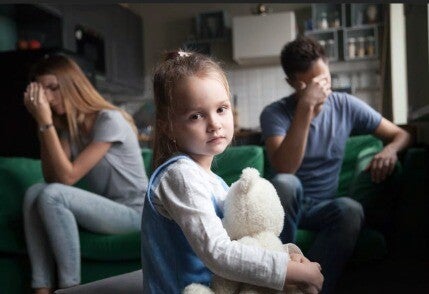
Isolation, divorce, and out-of-home care are social environments that may be very influential to the development, learning, and wellbeing of children. Socially or geographically isolated children might lack the opportunity to communicate with peers, which can influence language acquisition, social competence, and confidence. Likewise, the emotional distress, confusion, and behaviour changes, that may arise due to parental separation or divorce, can affect the ability of children to concentrate and learn. In children in out-of-home care, the disturbance of attachment and non-consistency in care-giving can influence their feelings of security, identity and confidence in relationships.
These experiences may also affect the way the children interact with other children and teachers and in some cases they may become withdrawn, anxious or display challenging behaviours. The stressful conditions related to these situations can also have an additional effect on the emotional regulation of children and their wellbeing.
In the case of early childhood services, the factors bring to the fore the necessity of responsive and inclusive practices. Teachers need to ensure that they offer stable and encouraging learning environments that foster a sense of belonging and emotional security. That involves establishing strong, trustful relationships, adopting trauma-informed care, and continuity of care. Services should also be actively communicating with families and caregivers to maintain the same level of support to the development and involvement of children.
Social Policy and Australian Responses
Australia has a number of policies and initiatives that deal with the role of social contexts like divorce, isolation and out-of-home care on children. The Early Years Learning Framework (EYLF) fosters safe, respectful relationships and inclusion and helps educators to help children who have their families disrupted. The National Quality Framework (NQF) guarantees high standards of quality in early childhood services, with special attention to the safe, responsive, and culturally sensitive environments. Child safety laws and the state-based child protection framework assist children in out of home care as they are prioritized in terms of safety, wellbeing, and stability. Moreover, government-funded programs like family support and parenting programs are initiatives to decrease isolation and enhance family functioning.
According to statistics, many Australian children are affected by parental separation and an increasing share of children also live out-of-home care because of the safety concerns and family breakdown. These statistics underscore the necessity of special assistance.
Such policy responses affect early childhood practice through the advancement of trauma-informed and relationship-based practices and the enhancement of the awareness of educators about the diverse experiences of children. Nonetheless, there are still issues on maintaining a uniform implementation, sufficient resources, and inter-service coordination. Consequently, teachers need to operate within the policy context and promote fair access and inclusion support systems to all children and families.
Strategies for Practice
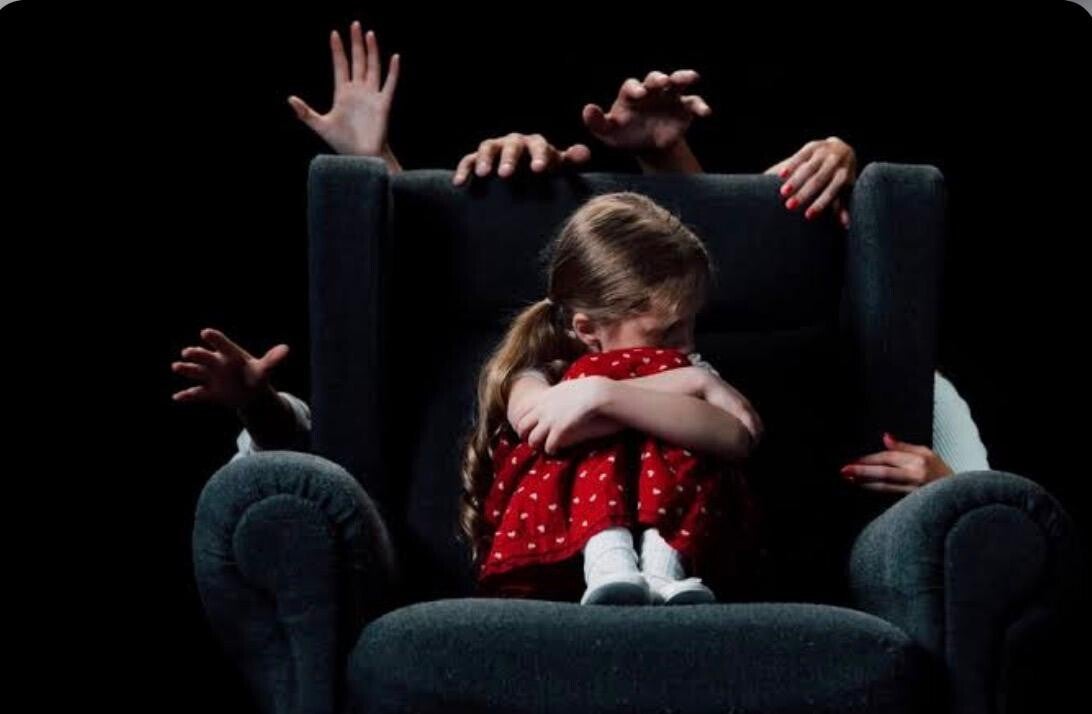
Those children who are socially isolated, divorced, or out of home can be supported using evidence-based, resilience-building measures by early childhood educators. To start with, creating a safe and coherent environment through the formation of relationships aids children in developing emotional regulation and trust. Secondly, the use of the so-called trauma-informed practice like predictable routines and relaxed learning settings helps children who have gone through instability or change.
Thirdly, applications of social-emotional learning (SEL) programs can be used to teach children to recognize emotions, solve problems, and establish positive relationships with peers. Fourthly, the teachers are to use a strength-based approach as educators are supposed to discover the abilities of children and help build confidence by encouraging them and engaging in meaningful conversations.
(ACECQA, 2016)
Lastly, encouraging the concept of an inclusive peer interaction via group activities and cooperative play would result in less isolation and a sense of belonging. In practice, teachers can integrate such strategies through planning of learning experiences, modeling of positive communication and individualised support where necessary. These strategies aid children in becoming resilient, enhance wellbeing and remain engaged in learning amidst difficult family or social conditions.
Community and Professional Partnerships
Early childhood services have to collaborate with specialised organisations to support children who face social isolation, divorce or out-of-home care. Anglicare Australia offers family support, counselling and emergency services, allowing families to cope with separation and social pressures. The services of relationship Australia are mediation and counselling services that help parents in the cases of divorce and separation, ensuring better relationships within the family and benefiting children.
Berry Street involves vulnerable children and out-of-home care children and offers trauma-informed support and advocacy. The department of families fairness and housing manages the child protection and out of home care placement, and this department ensures safety and stability of the children. Moreover, the health, development, and wellbeing of children are helped by the means of early intervention and regular developmental check up provided by the service called Maternal and Child Health Service.
(Victoria, 2017)
Early childhood educators can liaise with these organisations by way of referrals, shared care planning as well as frequent communication with caseworkers and professionals. This can be through attending case meetings, putting the strategies suggested into effect and having routines that are consistent among children. Through collaboration, teachers can provide a wellbeing-enhancing, child-focused framework that can contribute to continuity of care and positive developmental outcomes among children with social difficulties.
Books

The tale of a child who has homes in two houses following separation is a tender tale. It makes young children comprehend the divorce in a soothing manner with emphasis on love and stability instead of loss.

This story follows a child navigating life between separated parents, highlighting emotional adjustment, belonging, and coping with divorce and blended families.

This book demonstrates how a child goes through the process of parental divorce and adjustment to new family relations in the course of childhood, which is not devoid of emotional perplexity and confusion.

One of the stories involves a girl losing her home and feeling unstable, which echoes the issues of housing stress and dislocation that can be attributed to out-of-home care and social displacement.
Videos
What is Poverty? / Social Awareness Songs.
This channel employs easy to understand songs and animations to articulate social issues such as poverty, communities, and justice in kid friendly manner.
Application in practice: Teaches children to recognize that not all families are as fortunate as them and to be empathetic and accepting.
https://youtu.be/MUQ91yAmTbM?si=HrOOfnC8RwZGfDnZ
TED-Ed - Why is there poverty?
TED-Ed animates difficult concepts such as inequality and poverty to make them easier to understand.
Application in practice: Teachers may stop and talk about fairness, needs and wants, and gratitude during group discussions
https://youtu.be/SdOP34dYv_o?si=59CSvIV0IVJwbI05
Storyline Online -Those Shoes (read-aloud video)
Children books are read aloud by professional actors, and Those Shoes directly touches upon the issue of financial difficulties and generosity.
Practical use: Develops emotional awareness and makes children think of compassion and care.
https://youtu.be/bGKYmjaYqhY?si=-lV2Mpm4KVmnuQSH
4. Sesame Street in Communities: Poverty & Kindness Clips.
Even in times of limited funds, short clips demonstrate how characters assist one another and prioritize emotional resilience and community.
Application in practice: Teaches children to understand that kindness and support is valued irrespective of wealth status.
https://youtu.be/BNNcpAcF0GM?si=00N1RFkyjAMmp6PR
website
HIPPY Australia- https://hippyaustralia.bsl.org.au/
Raising Children Network- https://www.betterhealth.vic.gov.au/health/serviceprofiles/Raising-Children-Network
Be You- https://headspace.org.au/professionals-and-educators/educators/programs/be-you/
The Smith Family Learning for Life program- https://www.mycommunitydirectory.com.au/Outlet/187239/Smith_Family_Learning_for_Life_Program